
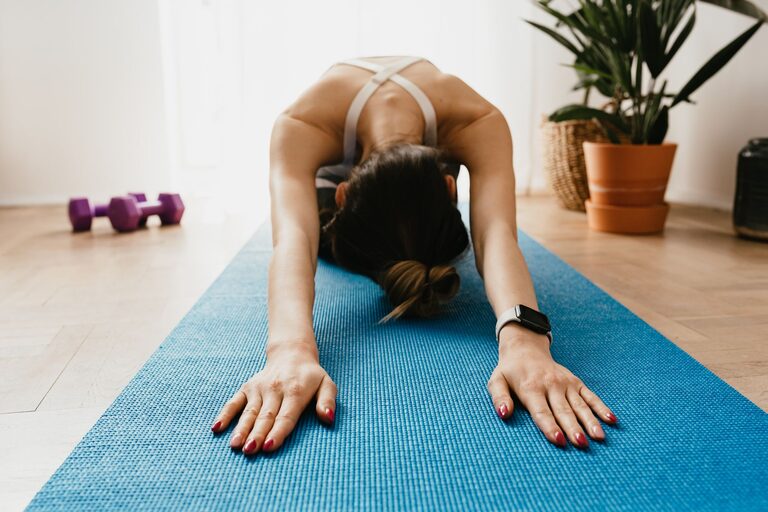
Stretching is a simple yet powerful way to improve your flexibility, reduce muscle tension, and promote overall health. For beginners, starting a stretching routine at home can feel intimidating, but with the right guidance, it can quickly become an enjoyable and rewarding part of your daily routine. This guide covers everything you need to know about stretching safely and effectively in the comfort of your own home.
Why Stretching Matters
Before diving into routines, it’s important to understand the benefits of stretching:
– Improves Flexibility: Regular stretching helps increase your range of motion, making everyday movements easier.
– Reduces Muscle Tension: Stretching can relieve tightness from sitting or standing for long periods.
– Enhances Circulation: Stretching improves blood flow to your muscles, which may speed up recovery after exercise.
– Promotes Relaxation: Many find stretching calming and a great way to reduce stress.
– Prevents Injury: Stretching muscles and joints prepares them for physical activity and may prevent strains.
By incorporating stretching into your daily life, you can feel more agile and comfortable throughout the day.
Getting Started: What You Need
You don’t need any special equipment to stretch at home, but a few basic items can make your experience more comfortable:
– A yoga mat or soft surface: Provides cushioning for floor stretches.
– Comfortable clothing: Wear loose, breathable clothes that allow full movement.
– A quiet space: Find a calm area where you won’t be disturbed.
– Optional: A strap, towel, or resistance band can help deepen some stretches.
Tips for Safe Stretching
Safety is key, especially when beginning a new routine. Keep these points in mind:
– Warm Up First: Stretching cold muscles can lead to injury. Try 5 minutes of light activity like walking or marching in place.
– Avoid Bouncing: Use slow, steady movements. Bouncing can strain muscles.
– Listen to Your Body: Stretch to a point of mild tension, not pain.
– Breathe Deeply: Steady breathing helps relax muscles and improves effectiveness.
– Hold Each Stretch: Aim for 15 to 30 seconds per stretch.
– Stretch Both Sides Equally: To maintain balanced flexibility.
Basic Stretching Routine for Beginners
Here is a simple full-body routine you can follow. Perform this routine 2–3 times per week, or daily if you prefer.
1. Neck Stretch
– Sit or stand up straight.
– Slowly tilt your head toward your right shoulder until you feel a gentle stretch on the left side of your neck.
– Hold for 20 seconds, then switch sides.
2. Shoulder Stretch
– Bring your right arm across your body.
– Use the left hand to gently press your right arm closer to your chest.
– Hold for 20 seconds, then switch arms.
3. Chest Stretch
– Stand facing a corner or door frame.
– Place your forearms on each side, elbows at shoulder height.
– Step one foot forward and gently lean in to stretch your chest.
– Hold for 20–30 seconds.
4. Upper Back Stretch
– Clasp your hands together in front of you.
– Round your upper back and push your hands forward.
– Hold for 20 seconds.
5. Side Stretch
– Raise your right arm overhead.
– Gently lean to the left side, keeping hips steady.
– Hold for 20 seconds, then switch sides.
6. Hamstring Stretch
– Sit on the floor with your right leg extended.
– Reach your hands toward your toes without bouncing.
– Hold for 20–30 seconds, then switch legs.
7. Quadriceps Stretch
– Stand and hold onto a wall or chair for balance.
– Bend your right knee and hold your ankle behind you.
– Keep knees close together.
– Hold for 20 seconds, then switch legs.
8. Calf Stretch
– Stand facing a wall.
– Place your hands on the wall and step your right foot back.
– Keep your heel on the floor and bend your left knee slightly.
– Hold for 20 seconds, then switch legs.
Making Stretching a Habit
Building a new habit takes time and consistency. Here are some tips to help you stick with your stretching routine:
– Schedule It: Pick a specific time each day, such as after waking up or before bed.
– Keep It Short: Even 5–10 minutes daily makes a difference.
– Combine With Other Activities: Stretch after exercising or during breaks at work.
– Track Progress: Notice how your flexibility improves and how you feel.
– Stay Patient: Flexibility improves gradually; avoid rushing.
When to See a Professional
If you have existing health concerns, injuries, or chronic pain, consult a healthcare professional before starting a new stretching routine. They can provide personalized recommendations to keep you safe.
Final Thoughts
Stretching at home is an accessible way to enhance your physical and mental well-being. With just a few minutes a day, you can improve flexibility, reduce muscle tightness, and feel more relaxed. Remember to be gentle with yourself, stay consistent, and enjoy the process of caring for your body.
Start your journey today and feel the benefits of stretching in your everyday life!