
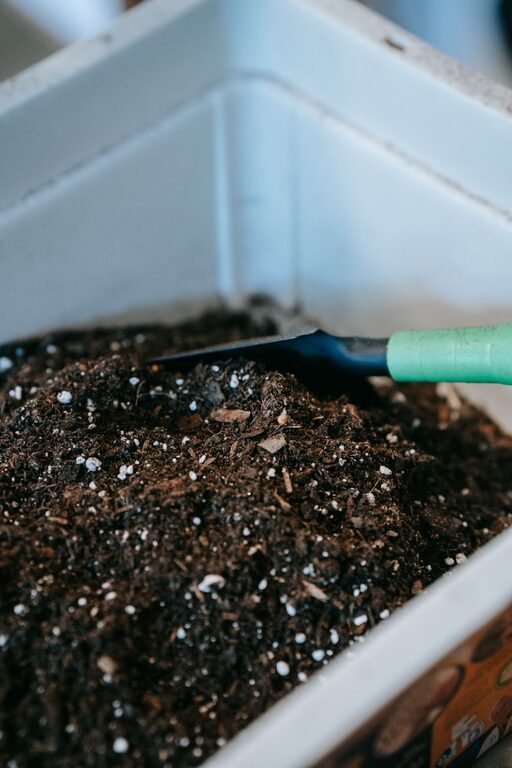
Composting at home is a rewarding way to reduce waste and create nutrient-rich soil for your plants. Whether you have a large backyard or a small balcony, composting can fit into your lifestyle with some simple steps. In this guide, we’ll walk you through beginner-friendly tips to help you get started on your composting journey.
What Is Composting?
Composting is the natural process of breaking down organic materials, like food scraps and yard waste, into a dark, crumbly soil amendment called compost. Compost improves soil health, helps retain moisture, and supports plant growth. By composting at home, you reduce the amount of waste sent to landfills and create a valuable resource for your garden.
Choosing the Right Composting Method
Before you begin, think about the space you have and the type of composting that suits you best. Here are common methods:
1. Backyard Composting Bin
If you have outdoor space, a compost bin is a great option. You can buy a ready-made bin or build one yourself using wood or wire mesh. This method requires more space but allows for faster composting due to better air circulation.
2. Tumbler Composters
These are enclosed bins that you can rotate to mix the compost easily. They are neat, help speed up decomposition, and keep pests away.
3. Vermicomposting (Worm Composting)
Ideal for small spaces or indoors, vermicomposting uses worms to break down kitchen scraps quickly. Special worm bins can fit under a sink or on a balcony.
4. Bokashi Composting
This anaerobic method ferments kitchen waste using a special bran. It’s compact and odorless, suitable for apartments, but requires an additional step to bury or add the fermented material to a traditional compost pile.
What to Compost: Greens and Browns
Successful composting depends on the right mix of “green” and “brown” materials.
– Green materials: These are rich in nitrogen and include fruit and vegetable scraps, coffee grounds, fresh grass clippings, and plant trimmings.
– Brown materials: These add carbon to the pile. Examples include dry leaves, straw, shredded newspaper, cardboard, and small twigs.
A good rule of thumb is to aim for about 2-3 parts brown materials to 1 part green materials. This balance helps the compost pile heat up and break down efficiently.
What NOT to Compost
Some items can attract pests, cause odors, or harm your compost:
– Meat, dairy, bones, and oily foods
– Pet waste
– Diseased plants
– Invasive weeds or plants treated with pesticides
– Synthetic materials like plastics or metals
Avoiding these helps keep your compost healthy and safe.
Setting Up Your Compost Pile or Bin
- **Location:** Choose a dry, shady spot with good drainage.
- **Size:** A pile or bin about 3 feet wide, 3 feet high, and 3 feet deep works well.
- **Layering:** Start with a layer of coarse browns like twigs for airflow, then alternate layers of greens and browns.
- **Moisture:** The pile should be as damp as a wrung-out sponge. Water it if it feels dry.
Maintaining Your Compost
Turning and Aerating
Turning your compost every 1-2 weeks introduces oxygen, which helps microbes break down materials faster and prevents odors. Use a garden fork or shovel to mix.
Monitoring Temperature
A warm pile (between 110°F to 150°F) indicates active decomposition. If it cools down, turn the pile or add more green materials.
Managing Moisture
If the pile smells sour or is soggy, add more dry browns and turn it. If too dry, sprinkle water lightly.
Harvesting Your Compost
After a few months, your compost will turn dark, crumbly, and earthy-smelling. This finished compost can be used to:
– Enrich garden soil
– Mulch around plants
– Improve potting mixes
Avoid using unfinished compost, as it may contain pathogens or weed seeds.
Troubleshooting Common Issues
– Bad odors: Usually caused by too much moisture or not enough air. Turn the pile and add dry brown materials.
– Slow decomposition: Add more green materials, chop scraps into smaller pieces, and turn the pile often.
– Pests: Use a covered bin or add a layer of browns to cover fresh greens. Avoid composting meat or dairy.
Benefits of Composting at Home
– Waste reduction: Diverts kitchen and yard waste from landfills.
– Soil nutrition: Adds organic matter and nutrients.
– Water retention: Helps soil hold moisture, reducing watering needs.
– Cost savings: Reduces the need for commercial fertilizers and soil amendments.
– Environmental impact: Supports a healthier garden and reduces greenhouse gas emissions.
Final Thoughts
Starting composting at home is easier than you might think. By choosing the right method, balancing greens and browns, and maintaining your pile, you’ll soon enjoy rich, natural compost for your plants. Remember, composting is a learning process — don’t worry if it takes a few tries to get everything just right. Happy composting!